Custom-made hyperbolic metal panels for facade projects
Innovative three-dimensional solutions for modern architecture
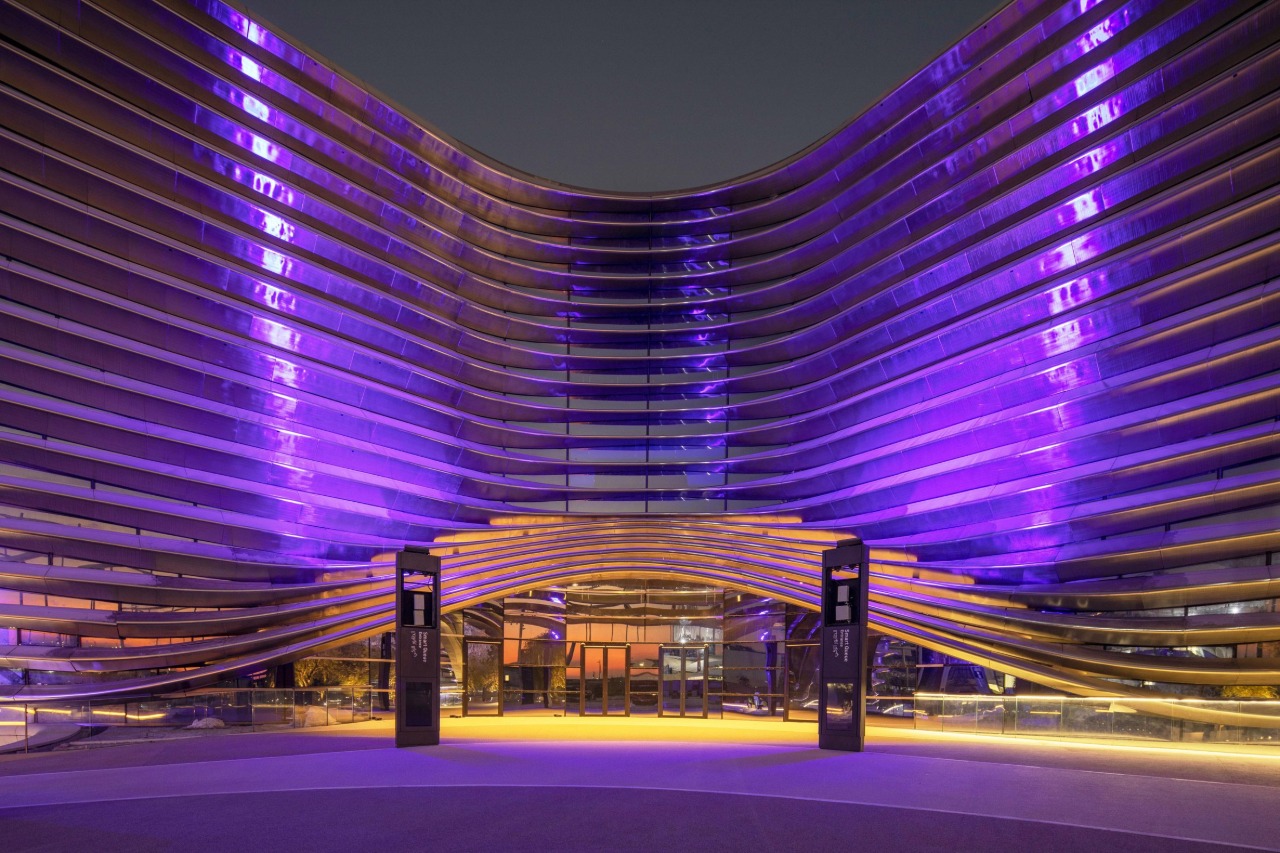
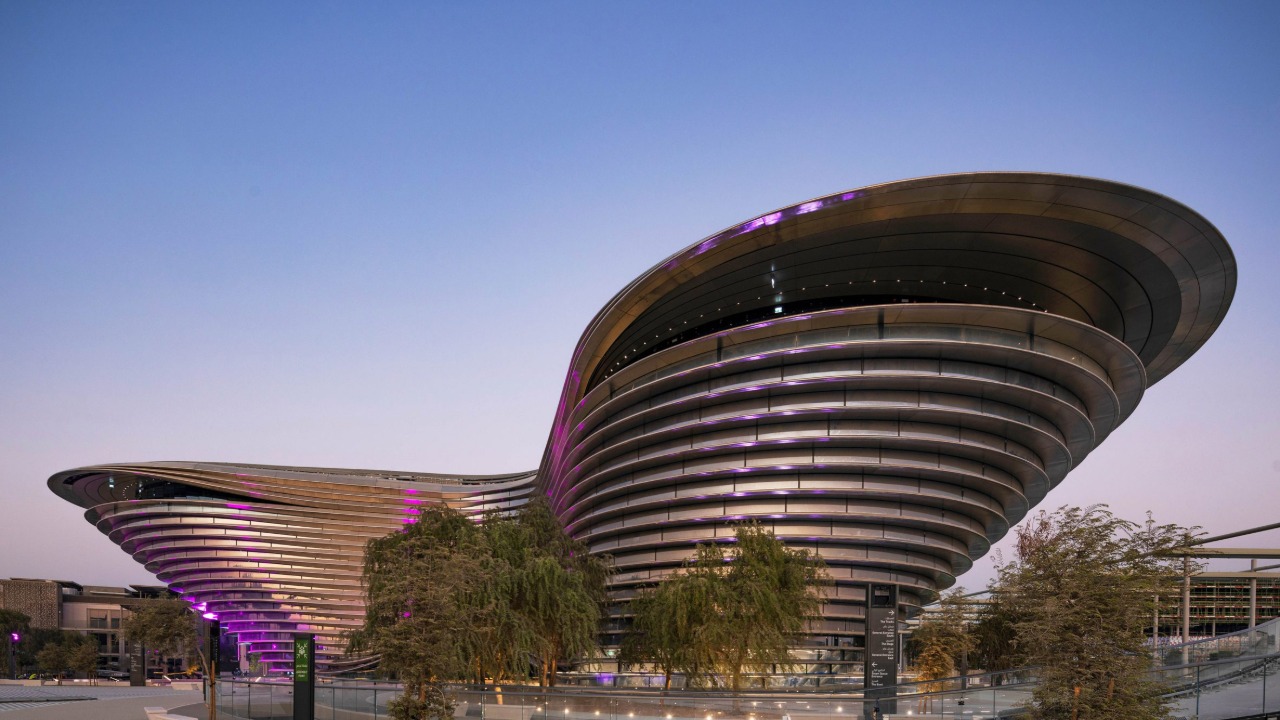
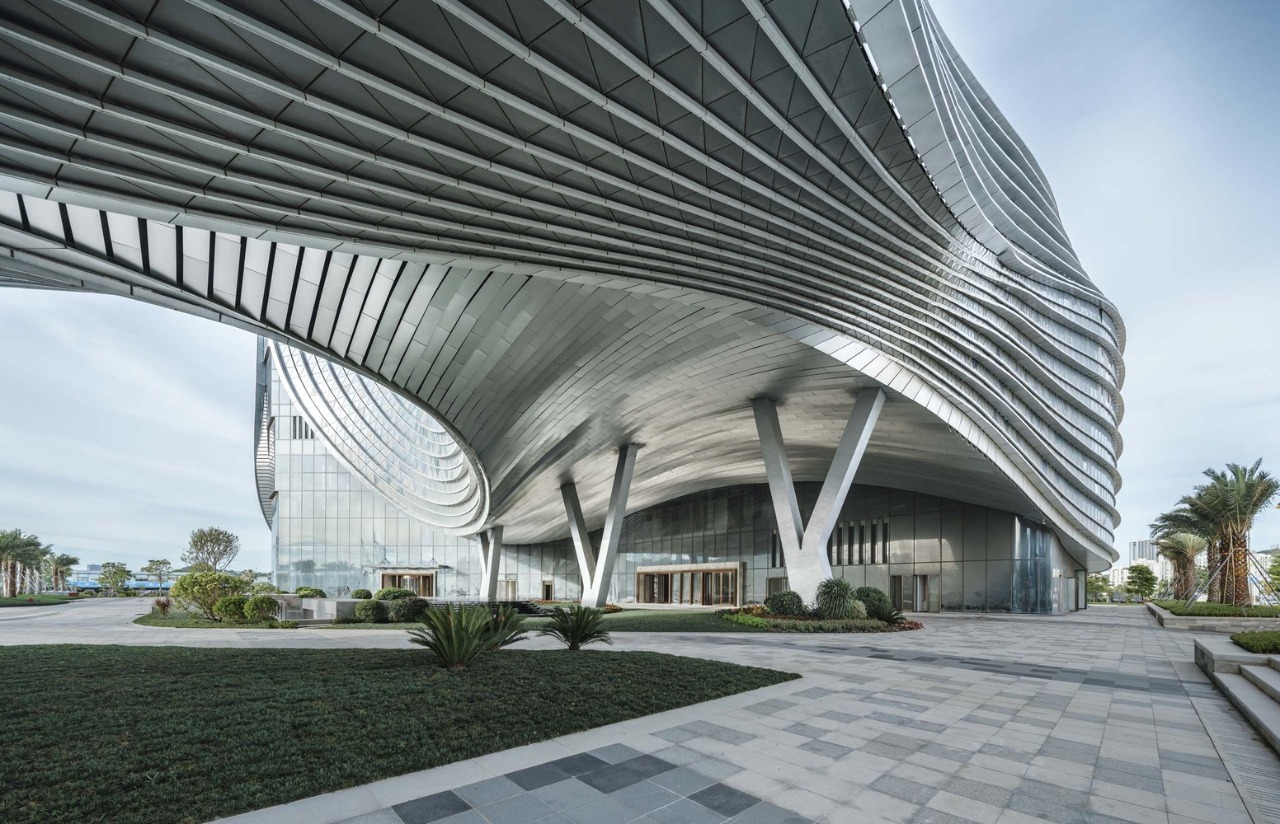
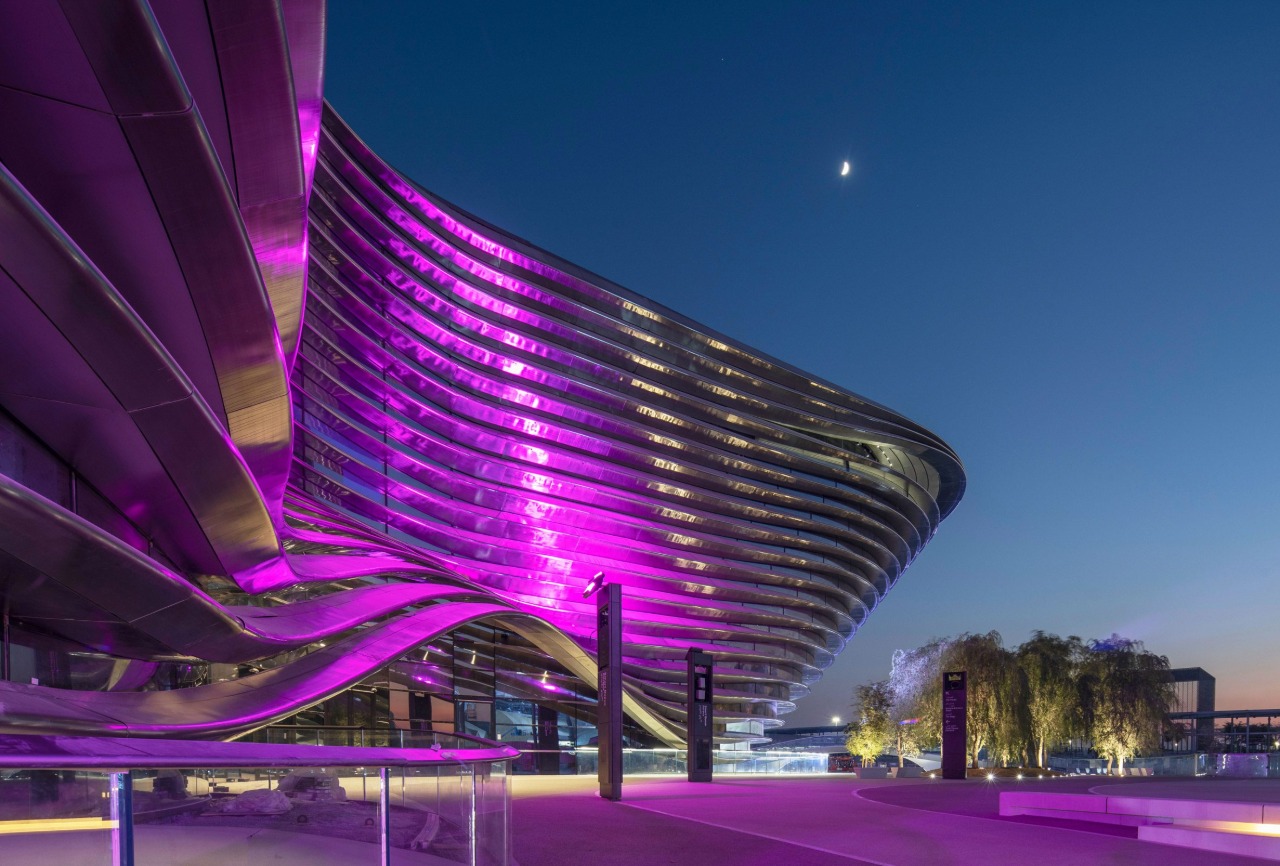
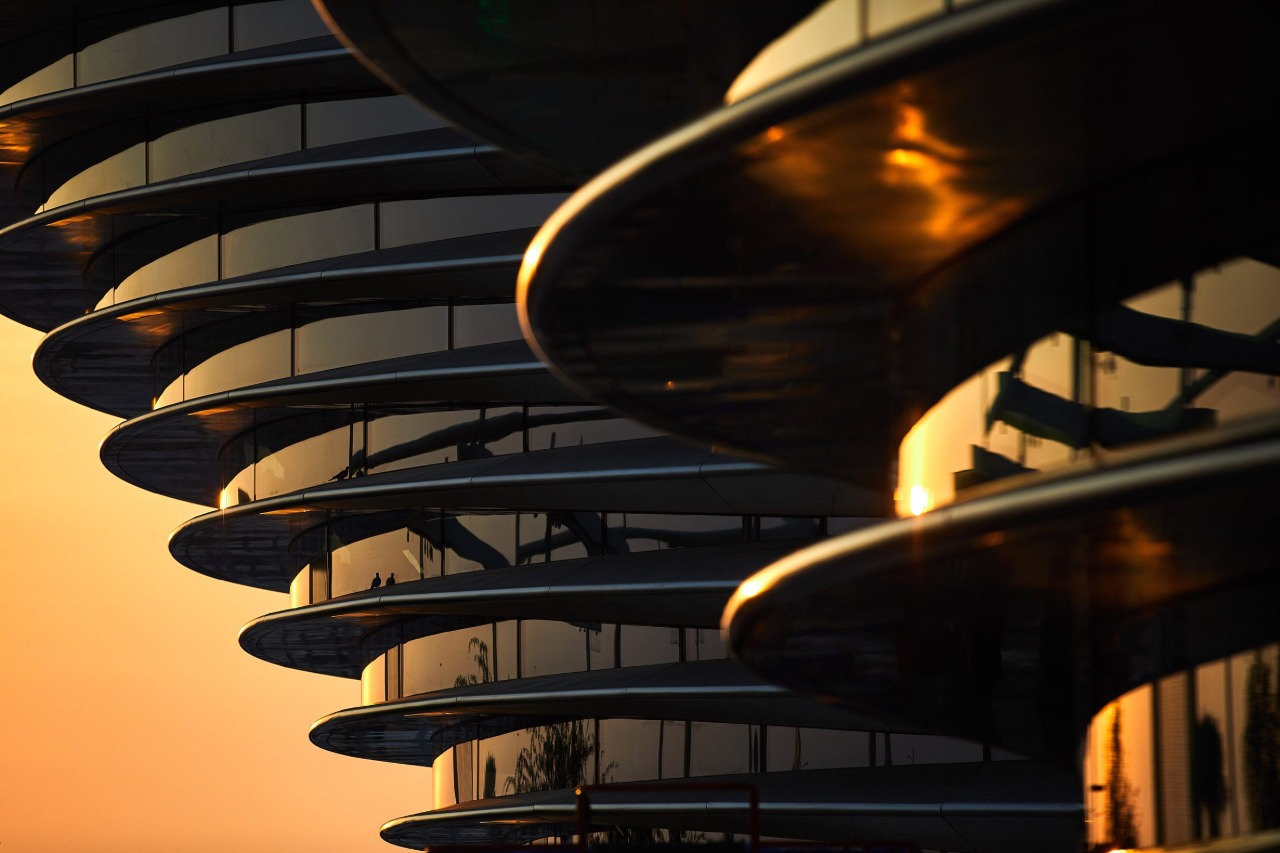
Modern architecture knows how to surprise. It goes beyond simple lines, right angles, and familiar planes. The 21st century is the time of complex geometry and smooth bionic forms. Hyperbolic panels help bring the most daring fantasies of architects to life. They become the main tool for expressing creative individuality and creating futuristic facades.
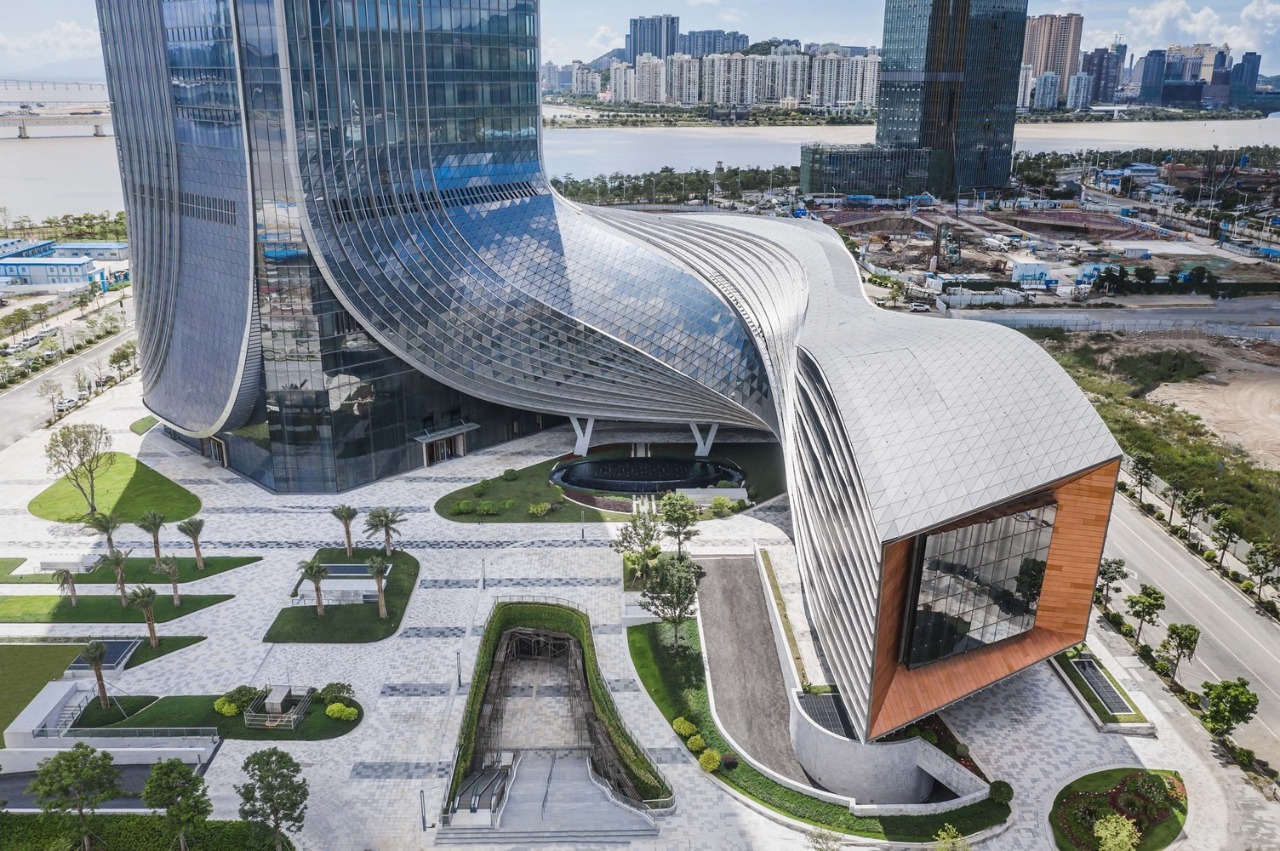
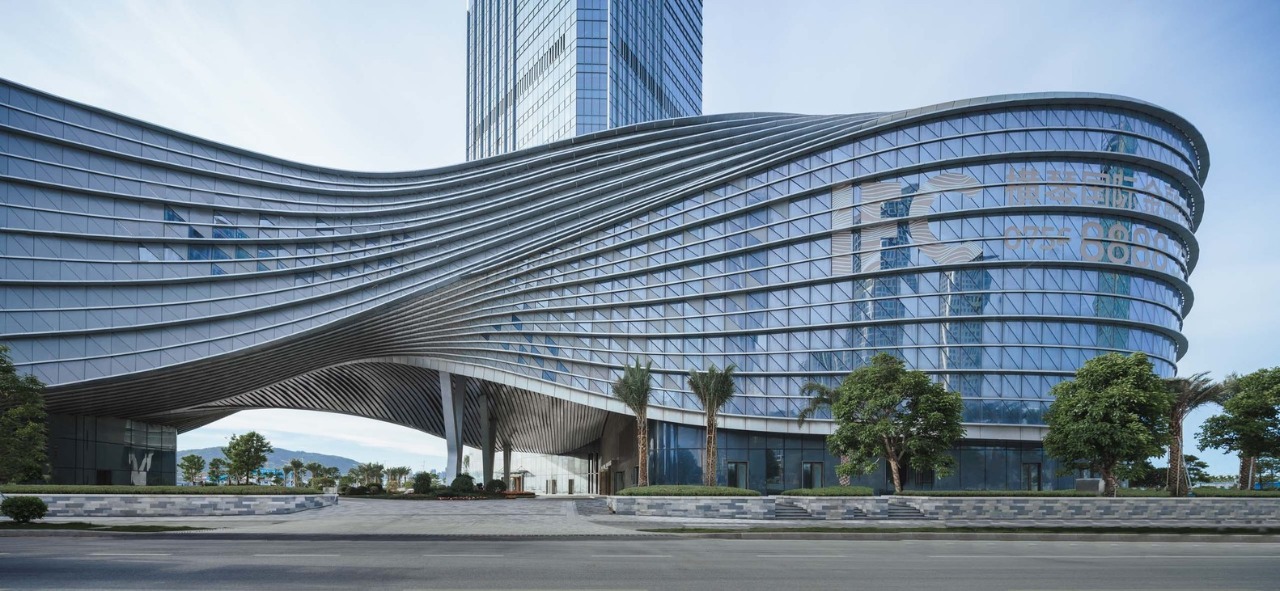
Famous examples of the use of doublecurvature metal panels
One of the most striking examples in the world can confidently be called the opera house in Harbin (China). The cosmic silhouette of the majestic building, designed by MAD Architects, is completely claded with smooth white aluminium panels of double curvature, which imitate windpolished ice ridges. The project was inspired by the natural landscapes of China’s northern Heilongjiang province.

Another masterpiece of 21stcentury architecture is the George Lucas Museum of Narrative Art in Los Angeles. The building has no corners or straight lines. It surprises with its streamlined shape and resembles a spaceship from an alien civilization. The streamlined, “levitating” facade of this impressive structure is entirely made of panels.

The George Lucas Museum of Narrative Art in Los Angeles
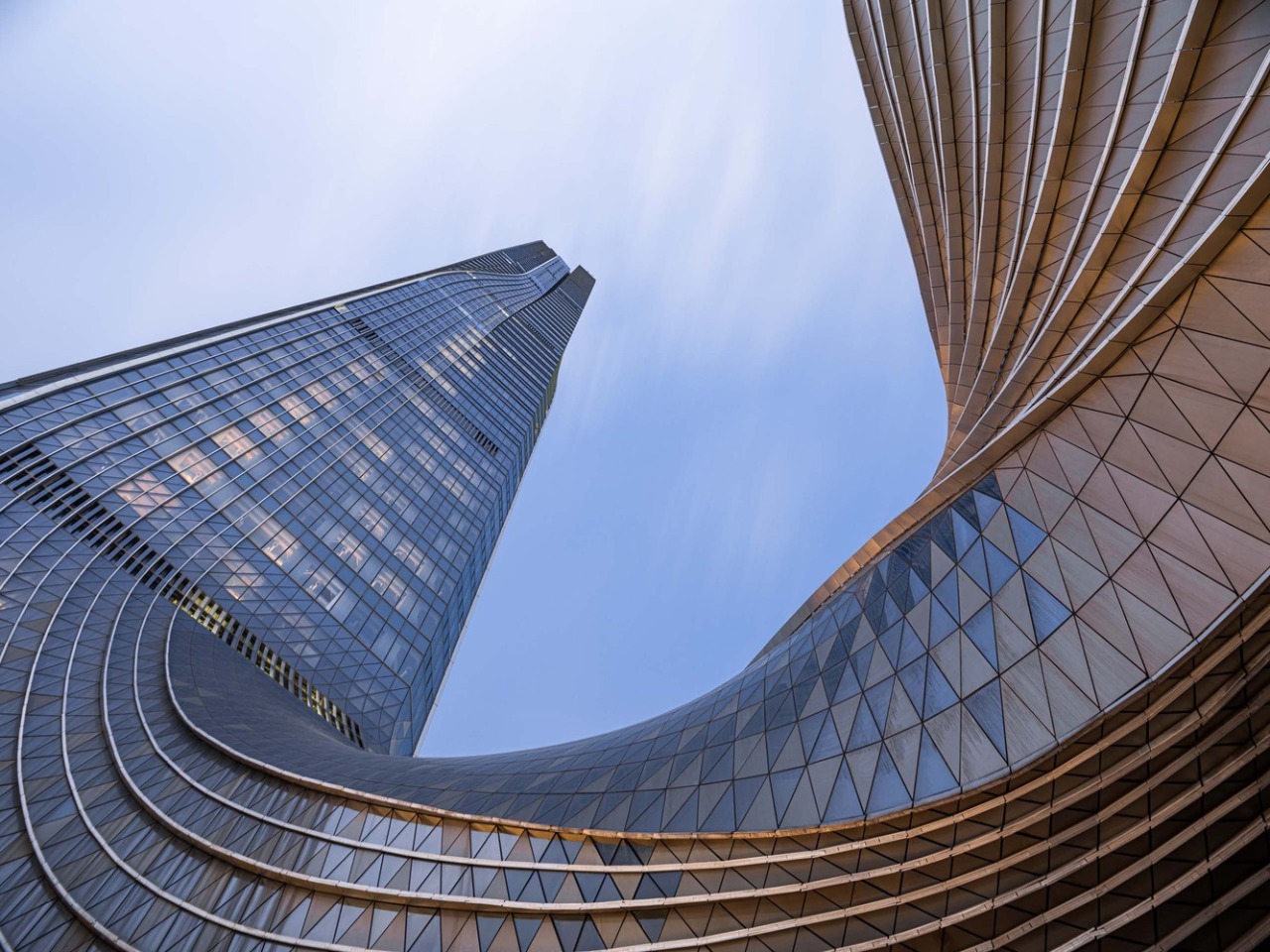
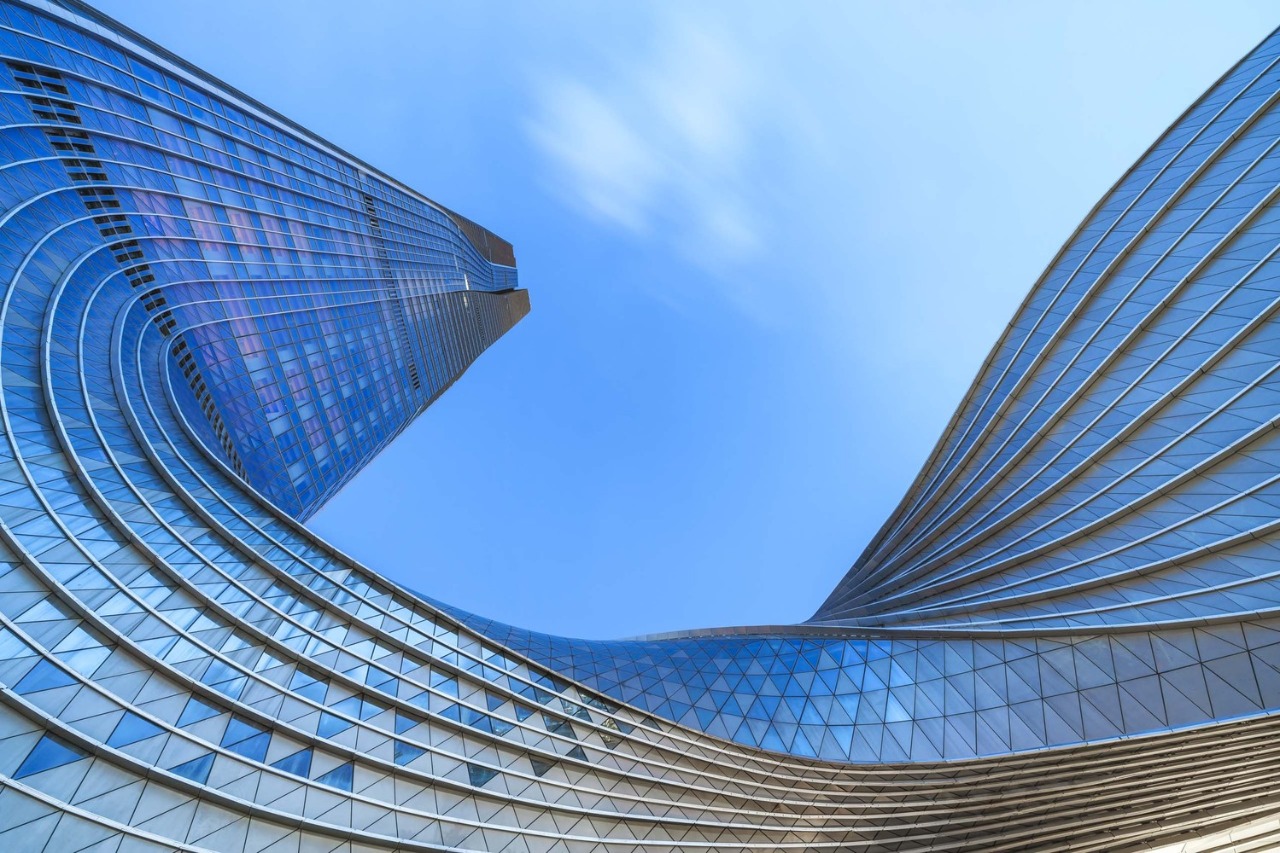
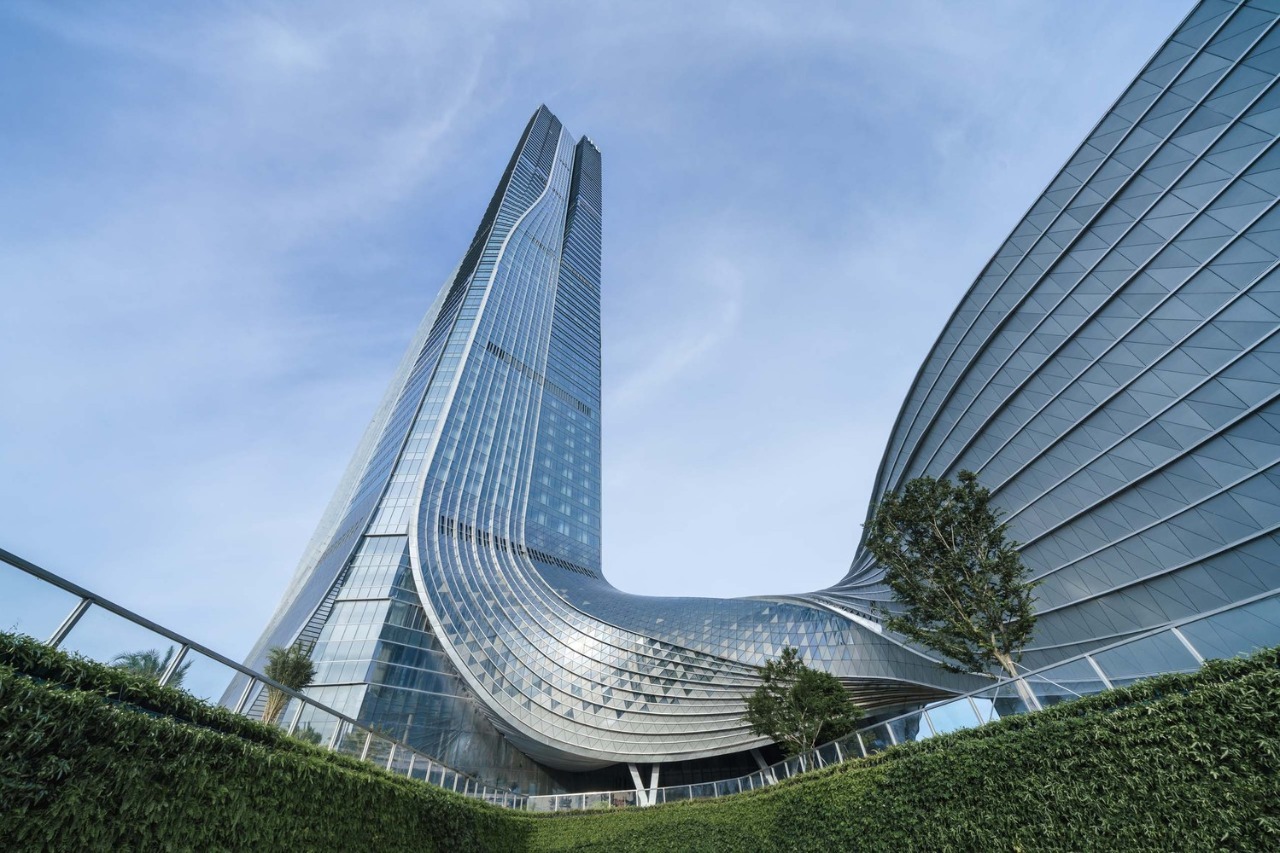
Another breathtaking work of architectural genius is the Central Bank of Iraq in Baghdad. This is no longer a spaceship, but a proud skyscraper reaching for the clouds. The highrise building has a highly complex external frame that gradually widens towards the upper floors. To bring the design to life, Zaha Hadid Architects used metal hyperbolic panels.

And these are just a few examples. Thanks to hyperbolic panels, it has been possible to give the world many architectural masterpieces, including the Museum of Pop Culture (Seattle, USA), Infinitus Plaza (Guangzhou, China), the museumbridge “The Twist” (Evjener, Norway), and others.
What are metal panels with double curvature?
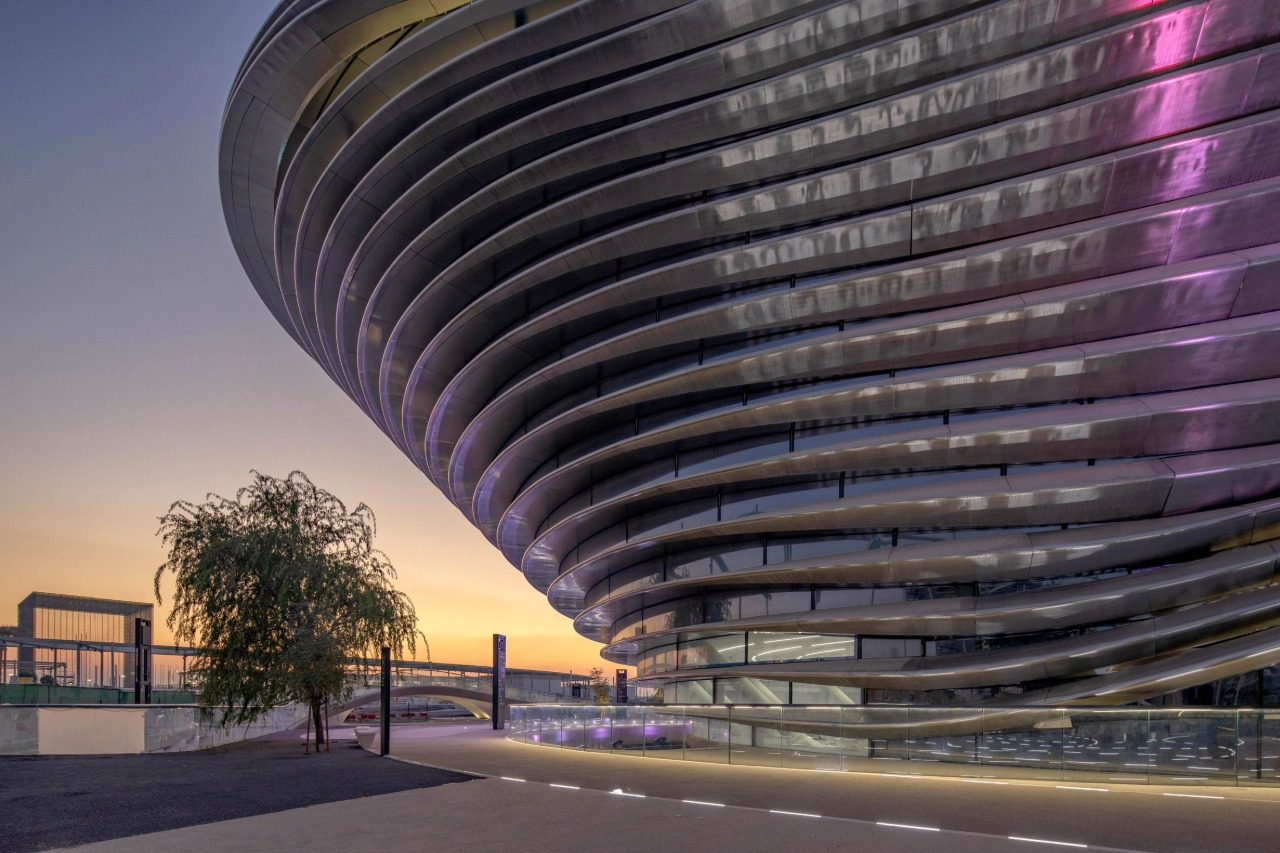
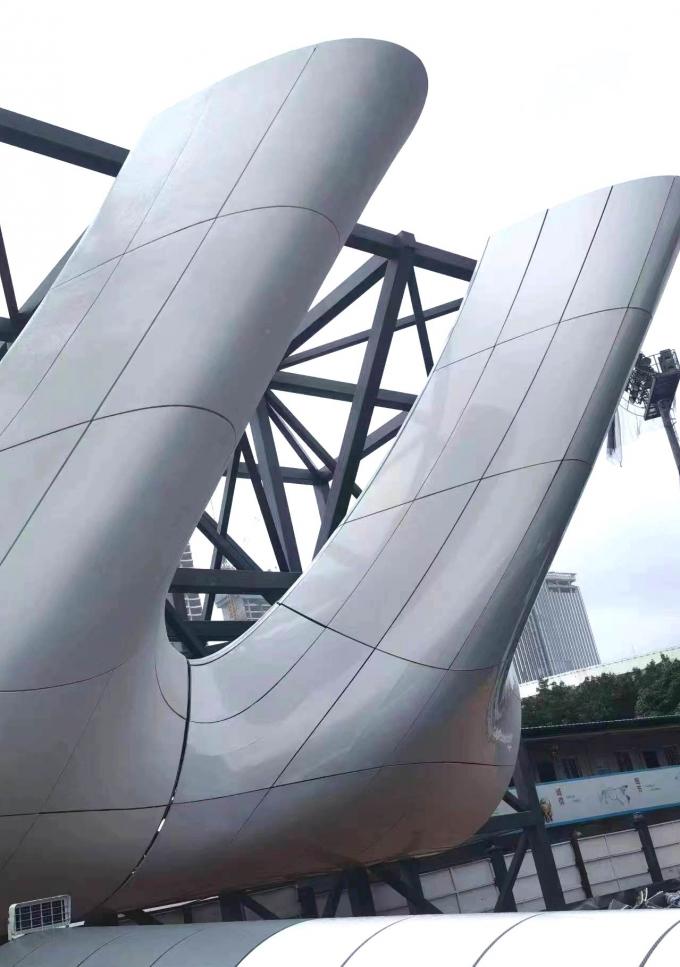
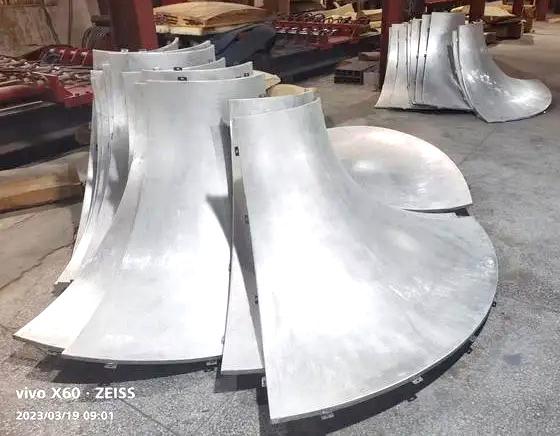
Metal panels with double curvature, also known as hyperbolic panels, are complex threedimensional elements produced using the method of multidirectional bending and twisting of metal. The technology makes it possible to create unique seamless freeform surfaces in places where standard flat fragments cannot be used.
Architects use hyperbolic panels to implement:
- Smooth and futuristic building facades.
- Intricate facade systems of any complexity.
- Sculptural exterior and interior solutions.
- Exclusive roofing structures with complex geometry.
The light weight, exceptional corrosion resistance, and high ductility of aluminum make it an ideal material for projects that previously could only be seen on the canvases of futurist artists.
Why are metal hyperbolic panels in demand in global architecture?
The doublecurvature panel is, first and foremost, a freedom of creativity in architecture. What cannot be created using traditional technologies becomes real thanks to metal 3D structures. The emergence of 3D panel technology was a real revolution in architecture, comparable to how the invention of oil paints in the 15th century forever changed painting, or how the advent of the technique of plastic wax modelling transformed the art of jewellery making.
New technology is:
- Complete freedom of architectural creativity. The threedimensional geometry makes it possible to create dynamic facades with flawlessly smooth lines and hidden joints.
- Minimal load on the frame. Despite its high strength, metal remains a very lightweight material, which significantly simplifies installation and reduces the metal content of the subsystem.
- Exceptional durability and wear resistance. Thanks to the use of premium protective coatings, the facades are resistant to any weather surprises and climatic conditions.
- Perfect precision down to the millimetre. Designing in a digital environment and manufacturing using advanced CNC machines guarantee strict adherence to the specified radii and tolerances.
Technical specifications
| Parameter | Standard and individual values |
|---|---|
| Panel thickness | from 0.5 mm to 10.0 mm |
| Panel width | 300 – 1850 mm (custom sizes) |
| Panel length | 300 – 3000 mm (custom sizes) |
| Allowable error | ±1% |
| Processing method | Cold rolled |
| Finishing options | Powder coating, PVDF coating, anodizing, PVD coating |
| Color palette | Champagne, black, graphite, silver, gold, rose gold, and custom solutions |
| Edge | Unprocessed (after rolling), cut |
| Application | External facade, internal wall panels, decorative elements |
| Packaging | PVC film + waterproof paper + wooden sheathing |
The process of manufacturing metal hyperbolic panels
To produce aluminum panels with double curvature, advanced technologies, a highly professional team, and strict adherence to all processes are required. Only in this way can structural integrity, geometric accuracy, and the impeccable appearance of a modern building’s facade be achieved.
Digital surface modeling
The process begins with working with advanced 3D design software. At this stage, precise geometry, curvature parameters, bends, and technological tolerances are established — all of which are necessary for errorfree manufacturing and subsequent installation of the panels.
Selection of materials
At the next stage, the lead engineers select the grade of aluminum, stainless steel, or brass that meets all the requirements of the specific project. It is important to take into account the design requirements and climatic operating conditions in order to determine the required alloy ductility, corrosion resistance, and other characteristics.
The main factors in choosing a material are:
- Design requirements and strength.
- Impact of the external environment and climate.
- Formability and ductility of the alloy.
- Compatibility with finish coatings.
Advanced molding methods
Depending on the complexity of the architectural forms and the requirements for strength, the process of giving metal a threedimensional 3D shape may involve various technologies:
- Deep drawing. Used to create smooth curved contours.
- Rolling. Used to create radius elements.
- Stepbystep sheet metal forming. For custom piece geometry.
- Stamping on CNC machines. Used for massproduced threedimensional elements.
- Hydroforming technologies. Fluid pressure is used to create perfectly smooth shapes.
These methods play a crucial role in the modern production of architectural metal structures, ensuring precision, durability, and the successful realization of the most unconventional design ideas and fantasies.
Welding and reinforcement of structures
To ensure rigidity and geometric stability, internal stiffening ribs and auxiliary elements of the supporting frame are integrated into the system of doubly curved panels. This guarantees the strength of the finished structures and their flawless alignment during the installation of the facade system.
Final surface finishing
After the panels are given a threedimensional 3D shape, the stage of applying protective and decorative coatings begins. This is where the “architectural magic” is created. The final finish serves not only to protect the metal from external influences but also to give the facade an aesthetic appearance.
Application areas: where hyperbolic panels are in demand
Today, hyperbolic panels are in demand all over the world. They are used to create innovative facade designs and complex geometric shapes in modern construction projects. You can read more about new approaches to architectural art in the article "An Overview of 11 Architectural Projects of the Future That Will Change the World in 2026" (many buildings were created using new technology).
Transport hubs
The most popular application of smooth, freeform facades is in international airports, large railway stations, and metro terminals. Custommade facade systems make it possible to realize the most complex architectural forms and ensure high operational performance of the facilities. Aesthetics become an additional advantage, and photos of new structures spread across the Internet at the speed of a supersonic aircraft.
Cultural sites
Curved surfaces are often used in the modern architecture of museums, theaters, and exhibition centers. This is the main tool for creating unique artistic expression. A true museum should not only house works of art but also be one of them. Isn't it?
Commercial high-rise buildings
Free-form facade sections are increasingly used in the construction of modern skyscrapers. They make it possible to create a futuristic city silhouette, emphasize the premium status of the project, and make the building unique and memorable.
Hospitality industry facilities
Hyperbolic panels are also used in the construction of hotels in the most famous tourist locations around the world. This invariably attracts guests’ attention and creates an exclusive atmosphere of premium service.
Parametric architecture
Advanced aluminum processing methods include state-of-the-art production processes. They make it possible to transform the most complex digital 3D models into precise, ready-for-installation building elements that are highly valued in modern design.
Options for decorative surfaces for metal hyperbolic panels.
Durable and aesthetically pleasing coatings for modern architectural facades are an absolute necessity for creating a truly advanced building. The finishing touch plays a key role in the production of architectural panels. It directly affects not only their durability but also their aesthetics. When cladding buildings externally, a properly selected coating ensures that, after years of use, regardless of weather conditions, the building’s appearance will remain as flawless as it was on the day the project was commissioned.
Anodizing
The anodized surface is a noble metallic coating that gives the panels additional strength. This finishing method is ideal for longterm use as part of modern architectural facades.
Custom decorative coatings
To create a unique appearance of a building, individual finishing options are suitable. They emphasize the unique character of the architectural object and allow you to create exclusive visual effects.
Pay attention to:
- Sanded texture.
- Fine sanding “hairline”.
- Matte coatings.
- Metallized special effects.
- Custom colors for a specific project.
Engineering challenges and their solutions: overcoming complex technological tasks in the creation of facades
Despite the associated technical challenges, aluminum hyperbolic panels demonstrate impeccable geometric precision, structural reliability, and excellent architectural aesthetics. This is achieved through advanced engineering, highprecision manufacturing, and the coordinated work of experienced installation teams.
Coordination of complex geometry
It ensures high speed and efficiency of installation. All panels are perfectly aligned and join together, which significantly increases the overall accuracy of construction and the quality of the project implementation.
Production tolerances
Strict quality control directly during the production process ensures that the panels fit precisely together. This eliminates geometric deviations, simplifies installation work, and ensures the flawless appearance of the finished facade.
Mounting accuracy
Properly designed and reliable supporting subsystems make it possible to achieve maximum accuracy during installation. They help maintain strict alignment of the facade and have a positive effect on the stability and durability of complex architectural systems.
Optimization of the expenditure side
Optimized engineering strategies increase production efficiency and minimize installation problems. This enables the economically viable and successful implementation of even the most complex facade projects with curved geometry.
Why metals are ideally suited for hyperbolic facades
Metals are characterized by their lightness, corrosion resistance, excellent formability, and environmental friendliness. These properties make them indispensable materials for structures where durability, modernity, and the impeccable appearance of the building are paramount.
High ductility allows metals to be shaped into complex architectural geometries while maintaining strength, stability, and long‑term structural integrity of the elements.
Corrosion resistance ensures the facade’s durability and structural stability.
Lightweight optimizes logistics processes. Implementing large‑scale facade projects becomes faster, safer, and more cost‑effective.
Environmental friendliness fully meets the demand of modern society for sustainable development. Metal can be 100% recycled, which makes it an environmentally friendly material for modern “green” architecture.
How to choose a manufacturer of metal panels with double curvature
The success of the entire project depends on the quality of the hyperbolic panels. To be sure that the work has been done correctly, it is necessary to choose the manufacturer without error.
Here are the main factors to consider when choosing a company:
- The availability of advanced CNC technology.
- Experience in working with complex architectural geometry and the presence of a professional team.
- Digital readiness. End‑to‑end integration with BIM models and digital production.
- Availability of individual engineering and technical support.
- Expert knowledge in the field of surface finishing.
- Experience in successfully implementing large‑scale projects (be sure to check the portfolio).
- Strict quality control standards in production.
A qualified manufacturer guarantees architects and general contractors the delivery of precise, technologically advanced, and ready‑for‑installation facade systems, while fully preserving the original author’s design concept and the required performance characteristics.
Frequently Asked Questions
Question 1. Are double‑curvature panels suitable for seismic zones or regions with strong wind loads?
Answer: Yes. Professionally designed hyperbolic panels are highly reliable in seismically active zones and regions with high wind loads.
Question 2. Can hyperbolic metal panels have perforation or a patterned design?
Answer: Yes. Perforation, custom three‑dimensional patterns, and laser cutting are used and applied in modern architecture.
Question 3. How are the panels transported without the risk of deformation?
Answer: Thoughtful, reliable packaging and the selection of trusted logistics companies make it possible to eliminate all transportation risks.
Question 4. What panel sizes are typically available for curved facade systems?
Answer: The dimensions of the panels depend on the complexity of their curvature, the thickness of the metal used, logistical constraints on transportation, and the installation conditions at the site. Most manufacturers offer the production of elements to fully custom dimensions, strictly in accordance with the architectural drawings and technical specifications of the project.
Question 5. Is it possible to integrate double‑curvature panels with lighting systems?
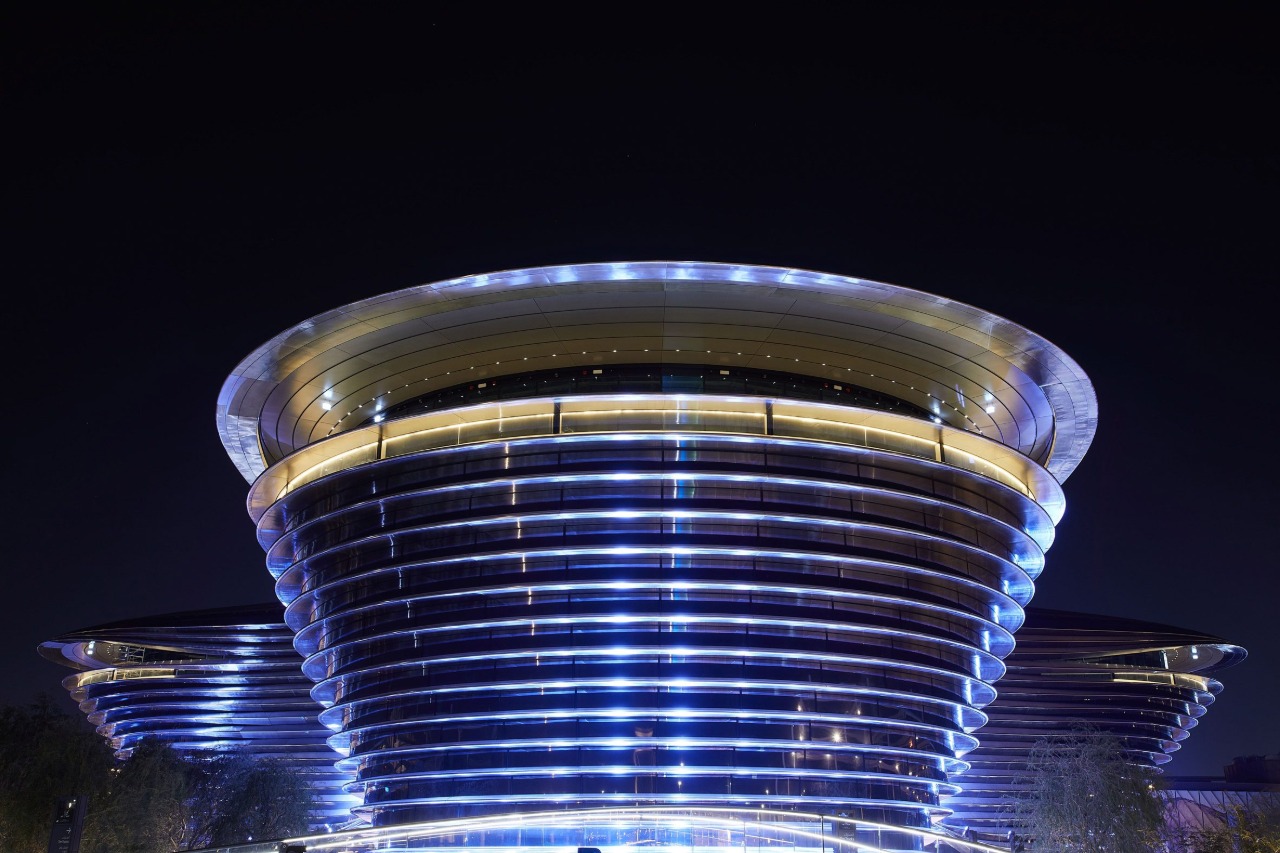
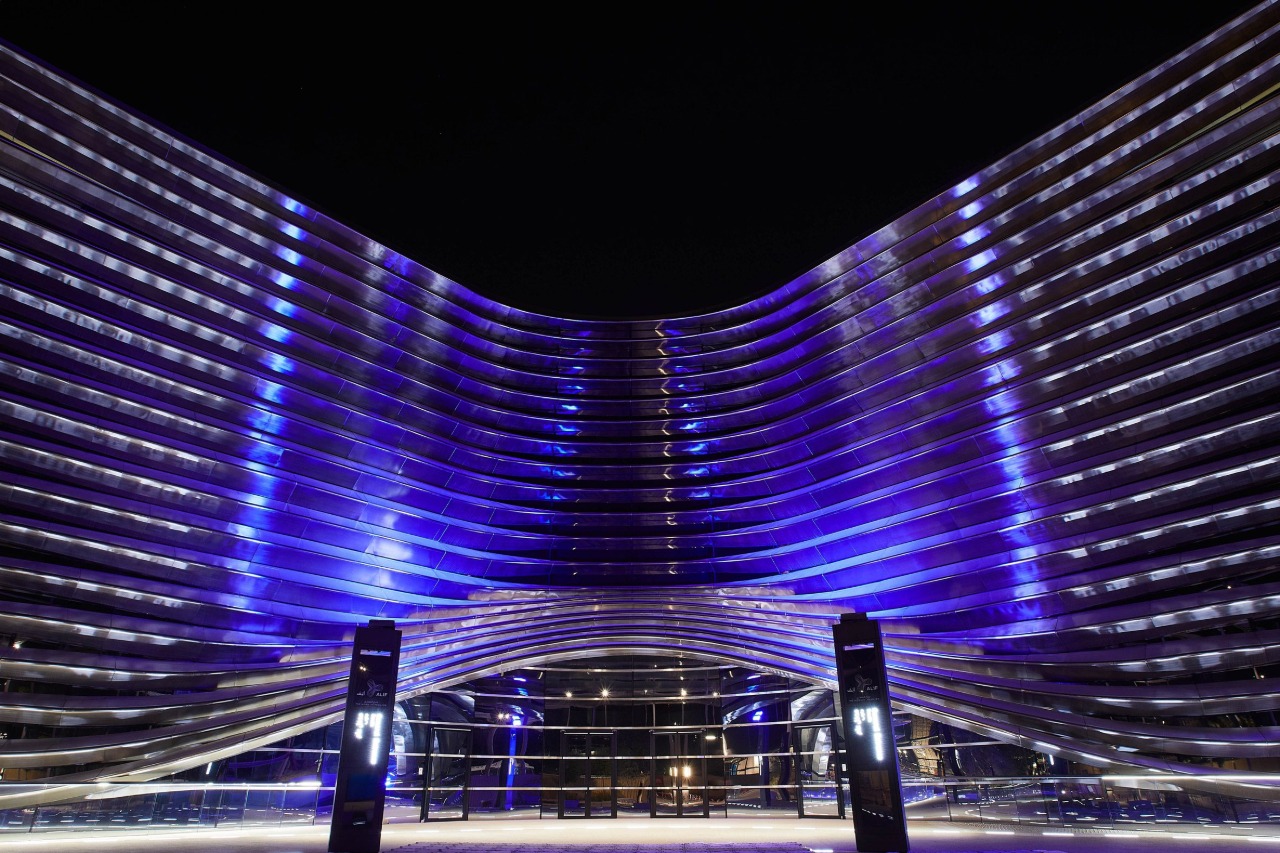
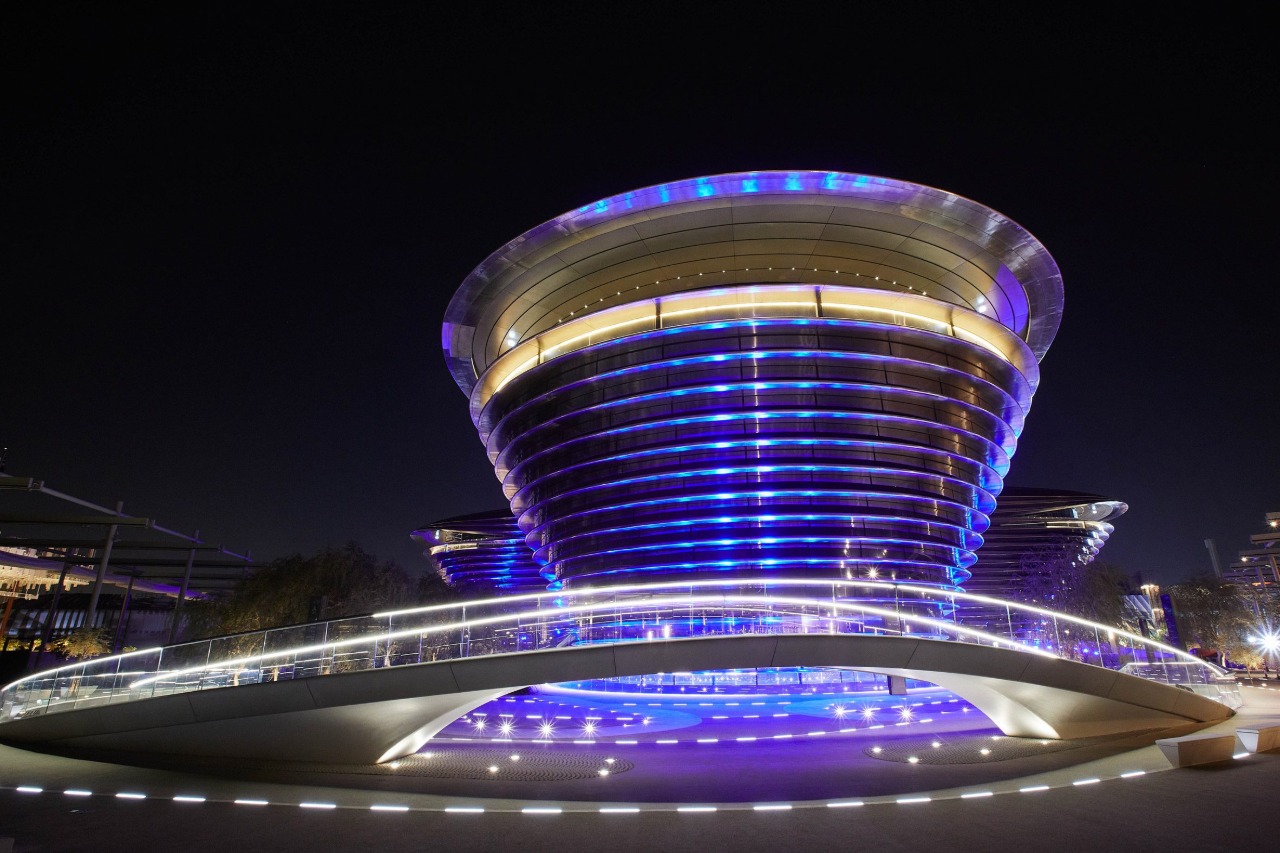
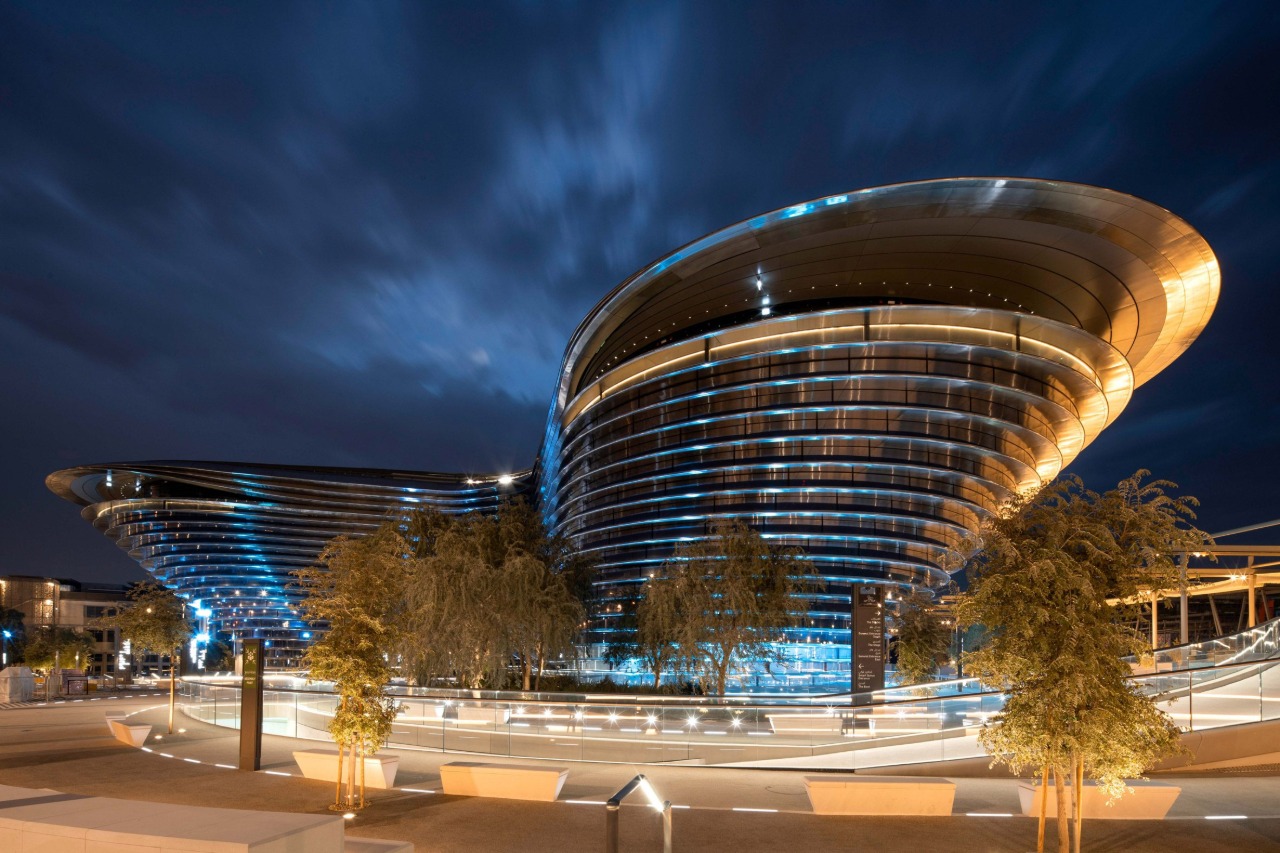
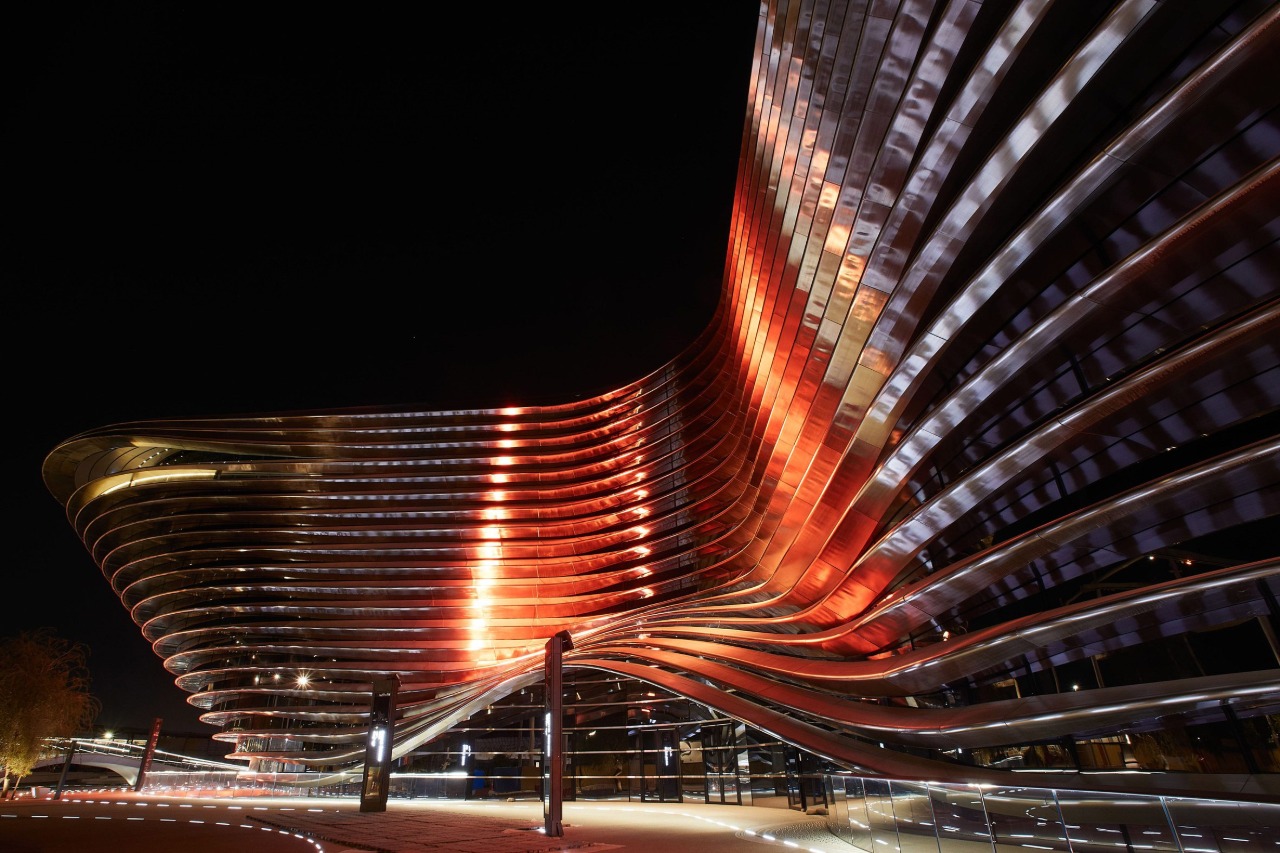
Answer: For illuminating curved aluminum facades, stylish LED lighting and hidden contour lighting of perforated elements are used. This makes it possible to create dynamic nighttime lighting effects.
Question 6. Are double‑curvature panels compatible with green building certificates?
Answer: Yes. Aluminum, stainless steel, and brass are fully recyclable materials. They can be used to construct buildings that comply with the standards.
Conclusion: the architecture of the future is born here
Metal hyperbolic panels are not just a fragment of a building or a cladding material. They are the very embodiment of the spirit of modern architecture and the freedom of creative thought. The combination of plasticity, exceptional strength, and impeccable precision makes it possible to blur the boundaries between the most unexpected design ideas and reality. Today, buildings look as if they were created in virtual reality and then transferred to our world. The boundaries between a bold digital sketch and the physical world have been erased. This is the 21st century in architecture!